Downloads
 Choose language
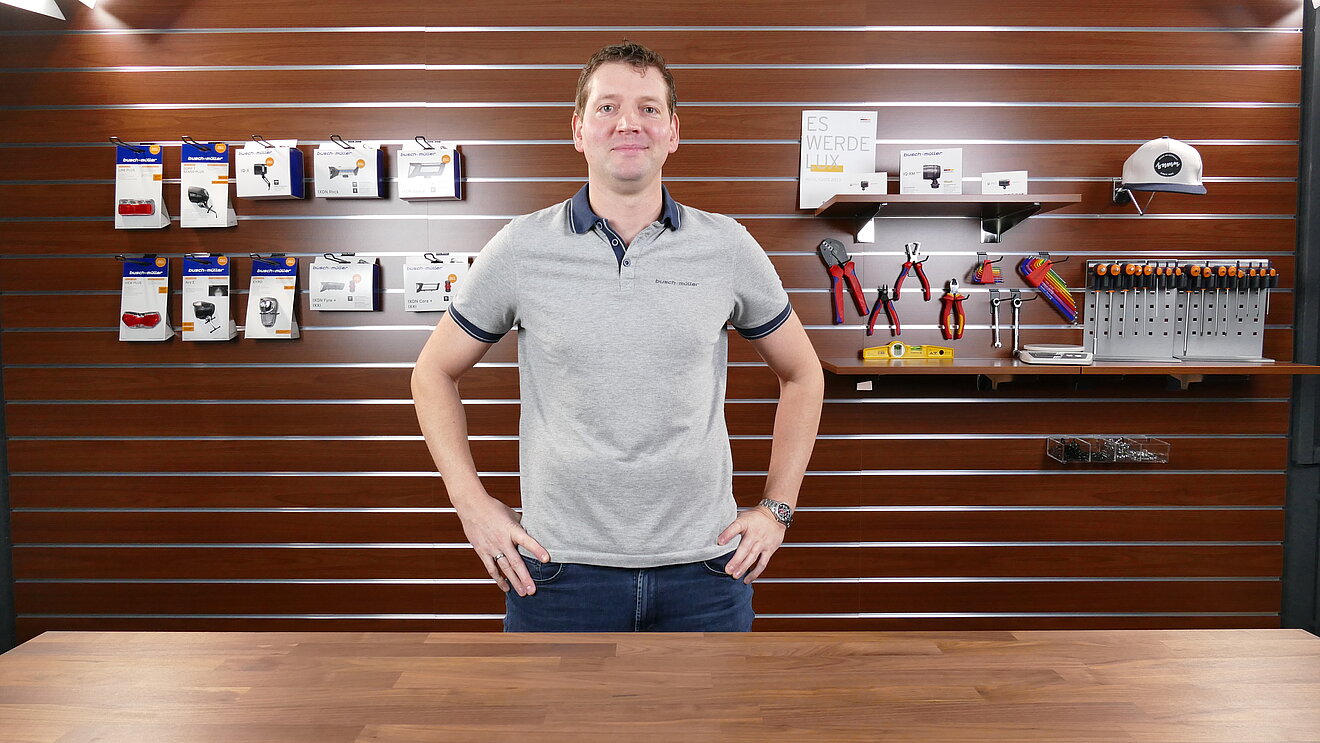
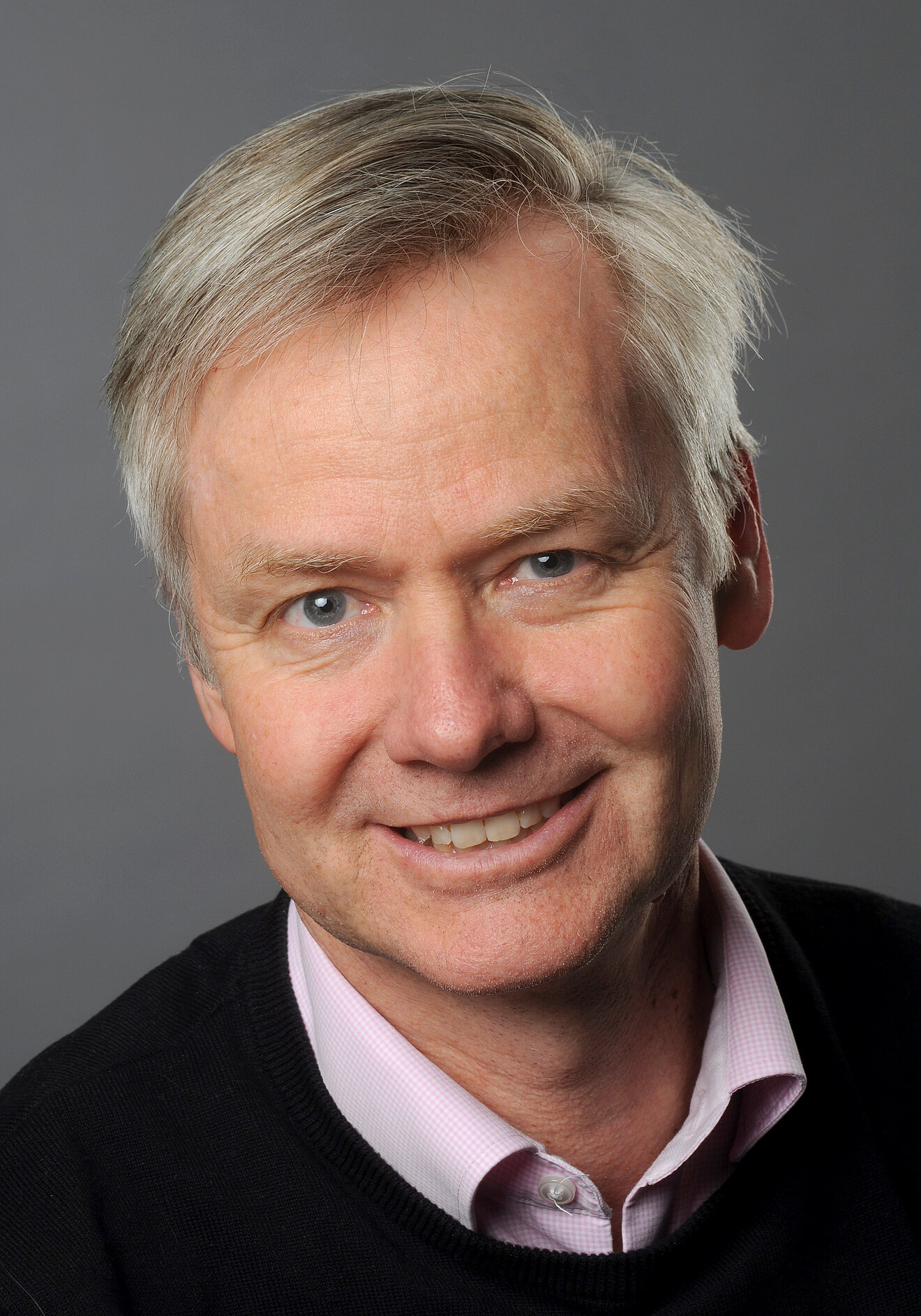
Cycling is environmentally friendly. Manufacturing bicycles or bicycle parts, however, is usually less so. This often becomes apparent when you look at long supply chains or outer packaging laden with plastic. In Meinerzhagen, in the Sauerland region, one manufacturer is doing things differently. Because traditional family businesses aren’t just about playing it safe: “The issue of ‘sustainability’ is far more complex than even some industry insiders realise. ‘There’s actually a lot you can do,’ says Guido Müller, the third-generation managing director of the company, ‘even if getting started was a challenge in itself,’ he admits. A challenge the company mastered years ago. When it comes to materials, sustainability here is ‘friendly’: ‘Friendly’ is the magic word for products developed and marketed with a particular focus on sustainability.
In Meinerzhagen, the concept of sustainability is seen more as a responsibility for the future. It spans a broad range of areas, from energy and resource efficiency through to product design and manufacturing, right up to workplace culture and logistics. Greenwashing sounds very different, as we shall see.
busch+müller is a frequently chosen supplier among bicycle manufacturers, even though Asian suppliers can often offer lower prices. Yet reliability and durability are what win people over. And these also fall under the sustainability factor: the longer a product works, the less often it needs to be replaced with a new one.
Edible headlights?
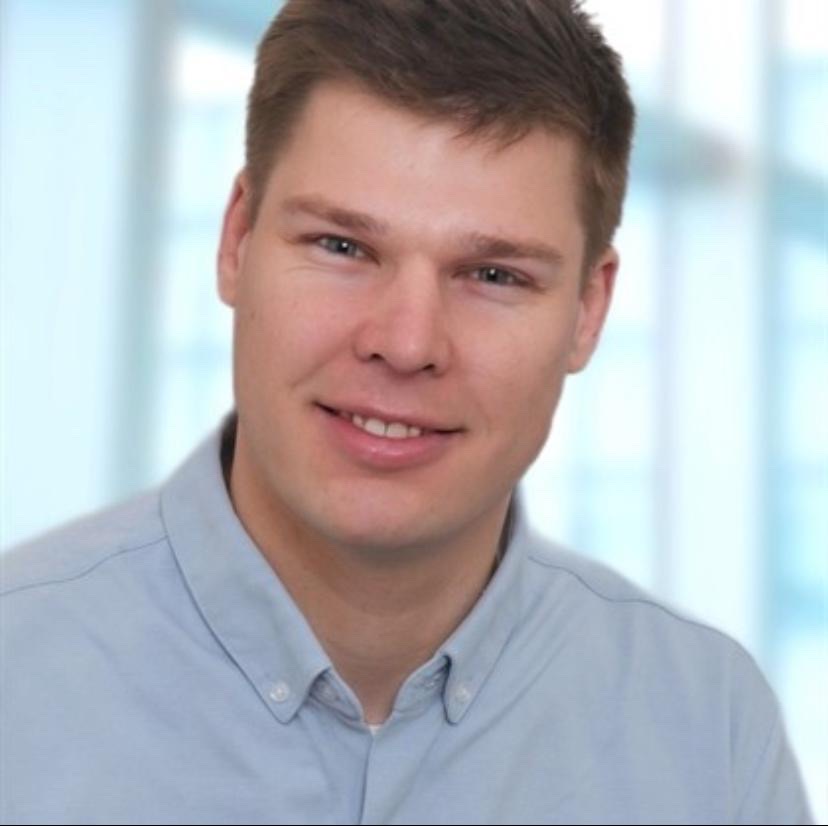
“Where do we actually want to go with this sustainable product?” Jan Minke asked himself this question three years ago when he joined the “friendly-headlights” project as project lead. “It was clear that we didn’t just want to do away with plastics made from oil. We want the whole package,” he says with a confident smile. In other words: “It should be a plastic that is also biodegradable at the end of its life.” Depending on the function, there are also other material properties to consider: How well can the material be injection-moulded? How soft, hard, elastic or brittle is it? Is the colour permanent? What temperatures can it withstand? The project manager becomes a researcher and investigator. “You need expertise and put a lot of time into it!” Incidentally, the materials developed are ultimately based on a specific type of starch that can be extracted from maize or sugar cane.
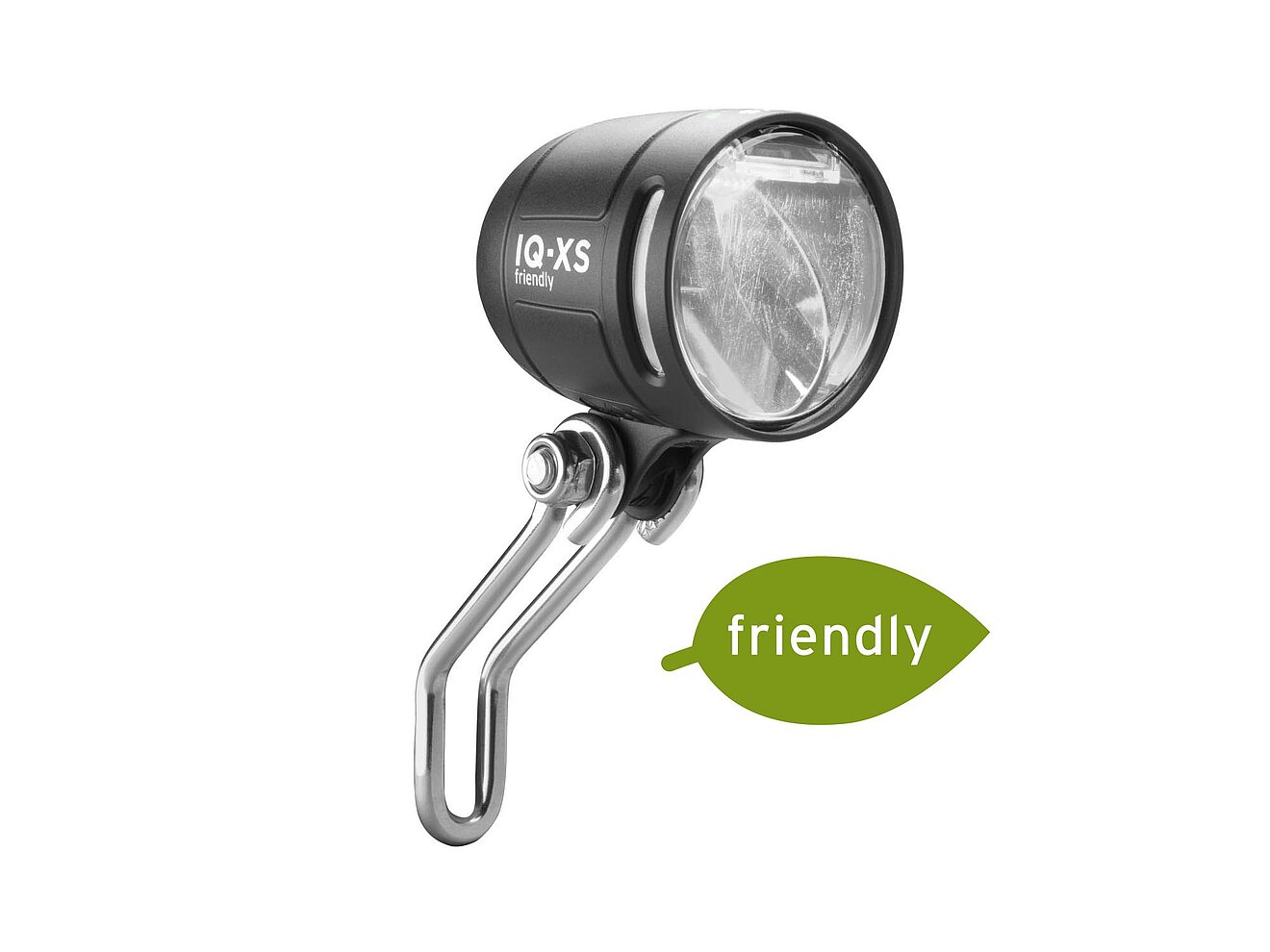
For now, the headlight housing made of bioplastic is just one component of the product. “Many components cannot yet be replaced with more sustainable alternatives,” says Minke, referring in particular to the electronic components in current bicycle headlights. “But you have to take the first step, even if that’s only half the story at first,” CEO Müller is equally convinced. That’s why, for example, we now have the IQ-XS friendly, a bicycle headlight with a whopping 80 lux of brightness – so bright that it used to be associated more with car headlights than with bicycle lights – and a compostable housing. The project as such is now complete. This does not mean the end of friendly, but rather that the possibility of using biodegradable bioplastics is already being systematically assessed in new developments.
Sustainable according to DIN
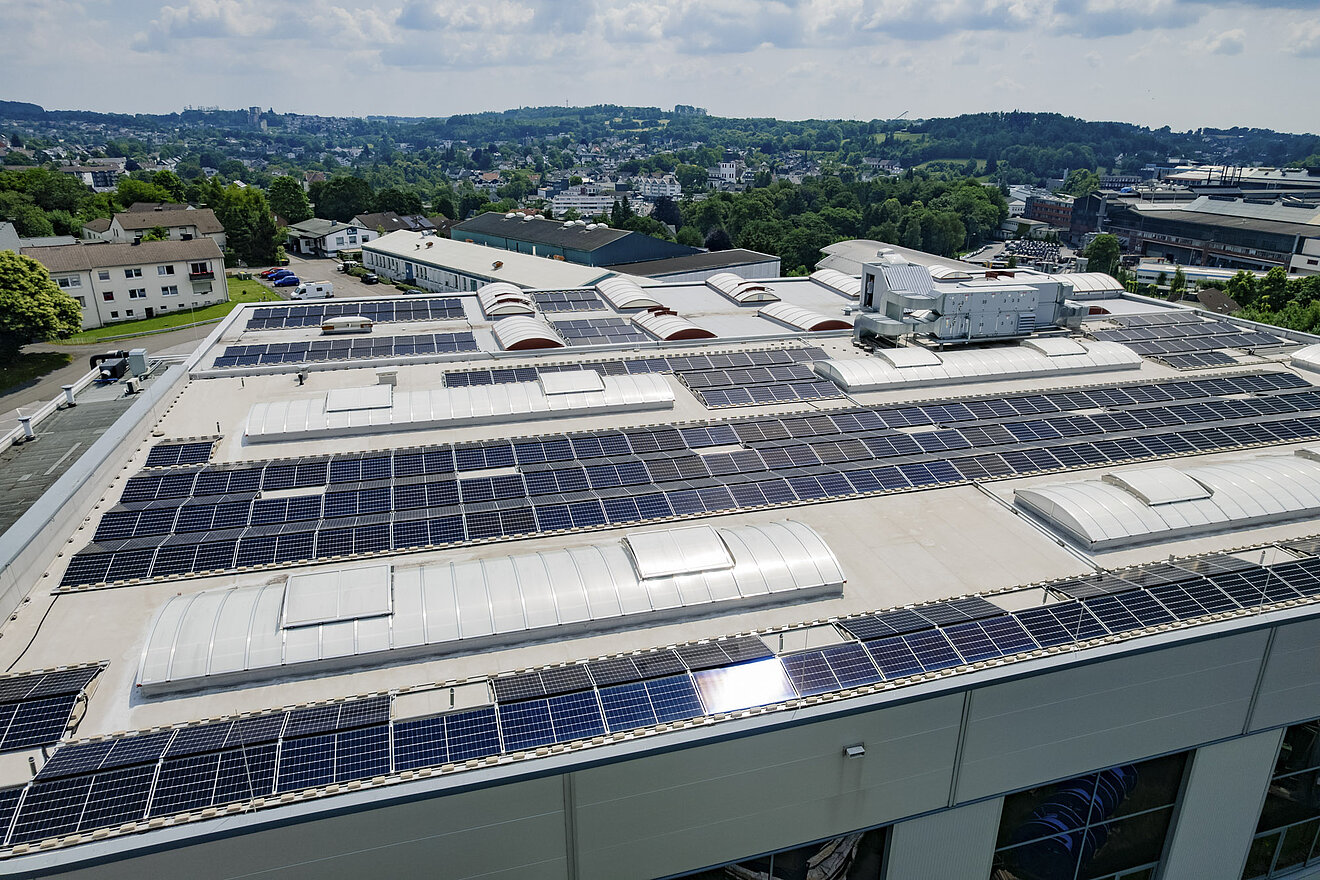
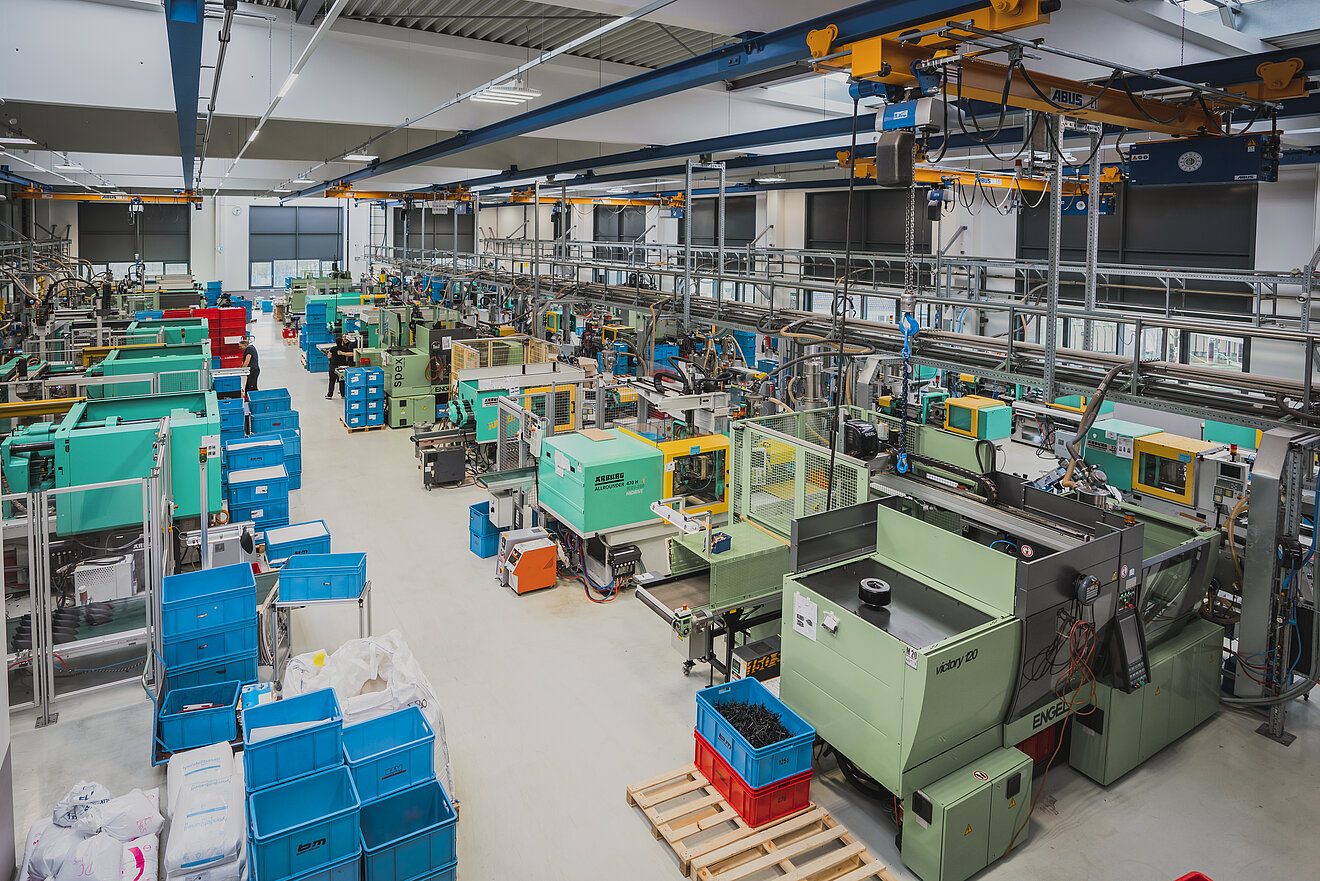
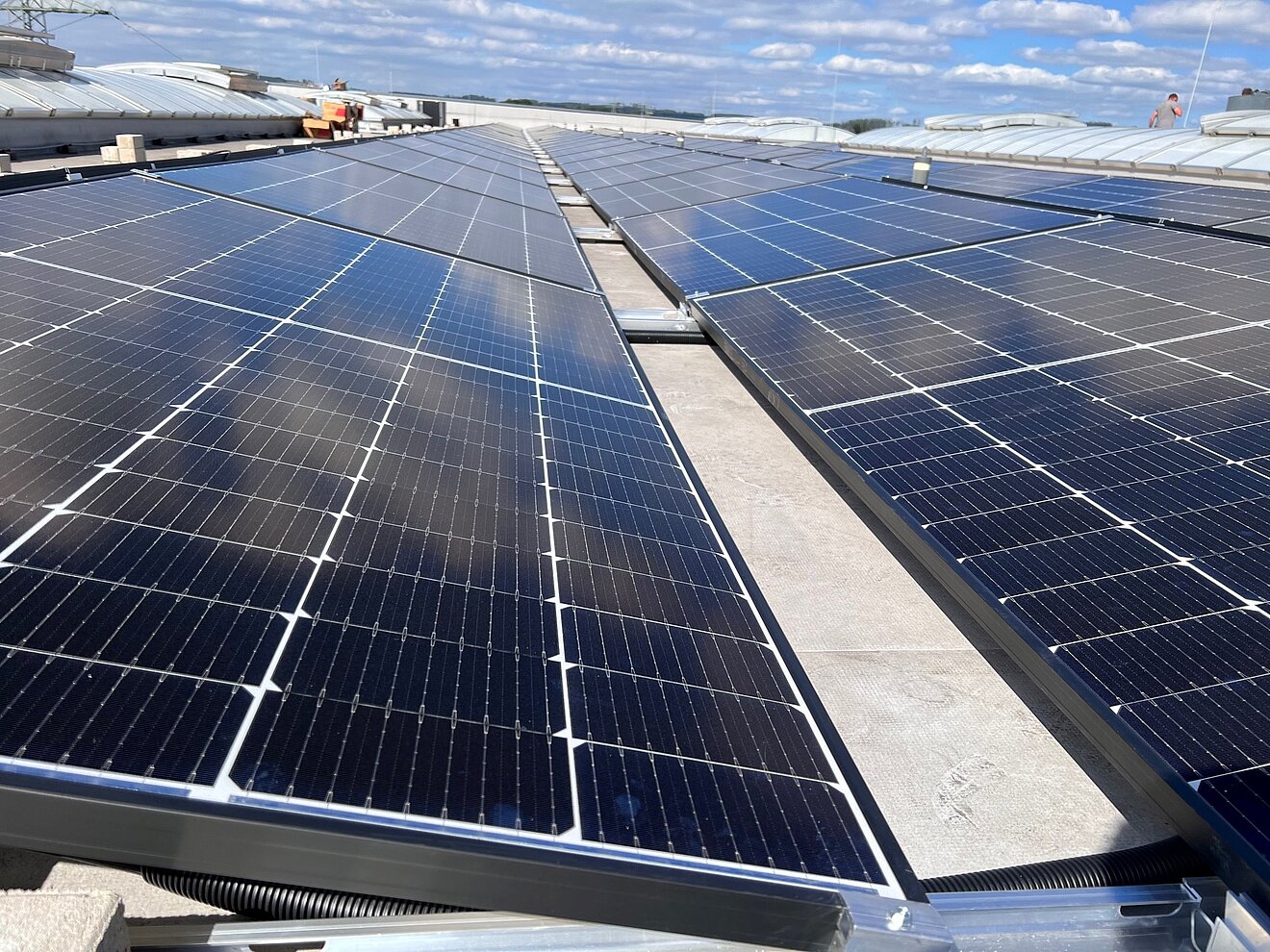
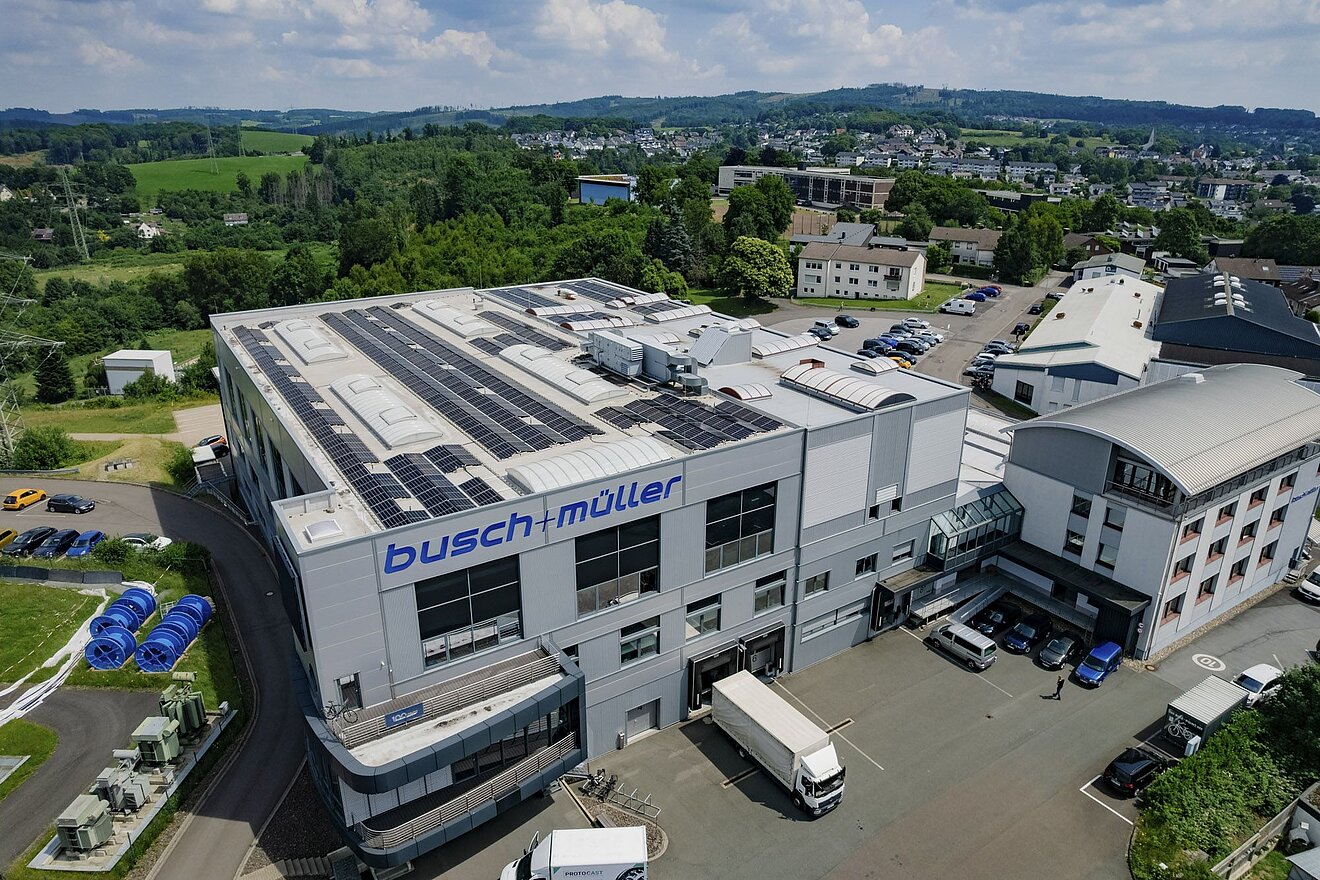
Another long-standing practice here is the material cycle in injection moulding production using regranulate. This means that injection moulding waste, particularly the sprues from the injection moulding machines, is ground back into granulate and recycled. This avoids a great deal of plastic waste. The manufacturing process itself? Very energy-intensive. “We source green electricity generated from hydropower,” says Müller, “and save 850 tonnes of CO2 as a result.” In addition, there are photovoltaic systems on the roofs of the company’s buildings in Meinerzhagen, which currently cover up to 7 per cent of the electricity requirement. In monetary terms, that’s a substantial amount. Another highlight on the sustainability list: The waste heat from the injection moulding machines is used to heat the buildings, explains Florian Kiesler, Quality and Environmental Management Officer at busch+müller. “Part of the administration and the production halls are heated with it.” Of course, sustainability is also evident in many hidden areas. “Everything we’ve ever had to tackle on the buildings has been gradually re-insulated,” says Kiesler. The process was also triggered by ISO 14001 certification, which Kiesler led at busch+müller. “Many business owners only see the costs when it comes to certifying their environmental management system – and of course there are costs,” explains Kiesler. “But the benefits are significantly greater in the medium and long term,” he says with a smile. How can that be? For one thing, considerable savings accumulate over the years. The obvious ones: energy costs, heating costs, lighting costs – partly due to a comprehensive switch to energy-efficient LED lighting – as well as reduced material consumption and other direct costs. But savings are also made in processes: “The work involved in certification means that all processes and departments are scrutinised. You immediately spot potential savings.” ISO 14001 covers almost the entire operation; this ranges from manufacturing and occupational safety right through to product packaging. At busch+müller, this has been blister-free – and therefore plastic-free – for years.
The annual audits can also be seen as a clear benefit of certification: “They allow us to access the figures and data we need more quickly. This means we can make certain decisions earlier and with greater precision.” This can save time and money. Just as the continuous optimisation of production processes, which is encouraged by the certification, does. “As I still deal with DIN ISO 14001 several times a month, I’m always quickly up to speed on many data-related issues,” says the quality manager.
Social responsibility
Other classic sustainability measures are so much a matter of course in Meinerzhagen that the boss almost forgets to mention them. Family-friendly working hours and conditions, for example. Or the fact that purchases are made regionally wherever possible. The company nurtures and maintains its network of partners in the region, which has grown over more than 100 years. The focus is on short supply chains and the trust that has been built up together. “Together” is also the keyword for corporate social responsibility, CSR: in a speech to the 250 employees, Müller said, “I don’t want to lose a single one of you!” And he takes the responsibility for the workforce that this implies seriously. For despite the persistent crisis that gripped the entire bicycle industry in the wake of the pandemic, busch+müller managed to retain all its staff. Sustainability can certainly also mean security. And success – even in difficult times. With a shared belief that reliable quality is still a guarantee of success today. Because: “We can’t be cheap, but we can be good,” says Müller confidently with a mischievous smile.